You're dying. You know that, right?
You're sitting here planning your five-year vision. Building spreadsheets. Comparing gurus. Scrolling Instagram for someone who looks like they figured it out so you can chase their blueprint for a week before you get tired and quit.
And one day you're 85 and your heart stops. That's your life. The whole thing. Done.
The risk of not taking risk is the single most expensive mistake you will ever make. Not because you'll lose money. Because you'll lose the only thing you actually can't get back: time. Seneca diagnosed this problem two thousand years ago. Harvard spent 87 years studying it. Kahneman won a Nobel Prize explaining why your brain is wired to make it worse. And you're still sitting here, playing it safe, wondering why nothing changes.
This article is going to make you hear the clock. We're going to walk through the philosophy, the science, and the math of why playing it safe is the most dangerous thing you can do. By the end, you'll see two kinds of risk where you used to see one. You won't be able to unsee it. And that changes how you make every decision from here forward.
Jump to Section:
- You're Dying (And You're Living Like You're Not)
- Seneca's Diagnosis: How Late It Is to Begin to Live
- The Six-Month Thought Experiment
- What 87 Years of Harvard Research Says About Regret
- The Two Sides of Risk You Never Learned
- The Dog Not Barking: The Risk of Not Taking Risk
- Your Brain Is Wired Against You
- Nietzsche Was Right: Most People Rot on the Vine
- Life Is Poker, Not a Test
- How to Be Lucky (Luck Can Be Controlled)
- The Status Bet: Free Risk With the Highest Return
- You're a Soul in a Body That Thinks It's a Body
- What Are You Going to Do?
- FAQ: Risk, Regret, and Playing It Safe
You're Dying (And You're Living Like You're Not)
You've got a vision board. You've got a five-year plan. You've got seventeen browser tabs open with courses you're "going to start this weekend."
Did you manifest getting eaten by a tiger? Because that happens at a surprisingly high rate. You should look up the stats.
You keep living like you're going to live forever. Chasing people around Instagram. Scroll, scroll, scroll. Oh, I want to be like this person today. Then you chase after it for a week and give up. Maybe this guru. Maybe the next one. And then you're 85 and you die of a heart attack.
That's your life.
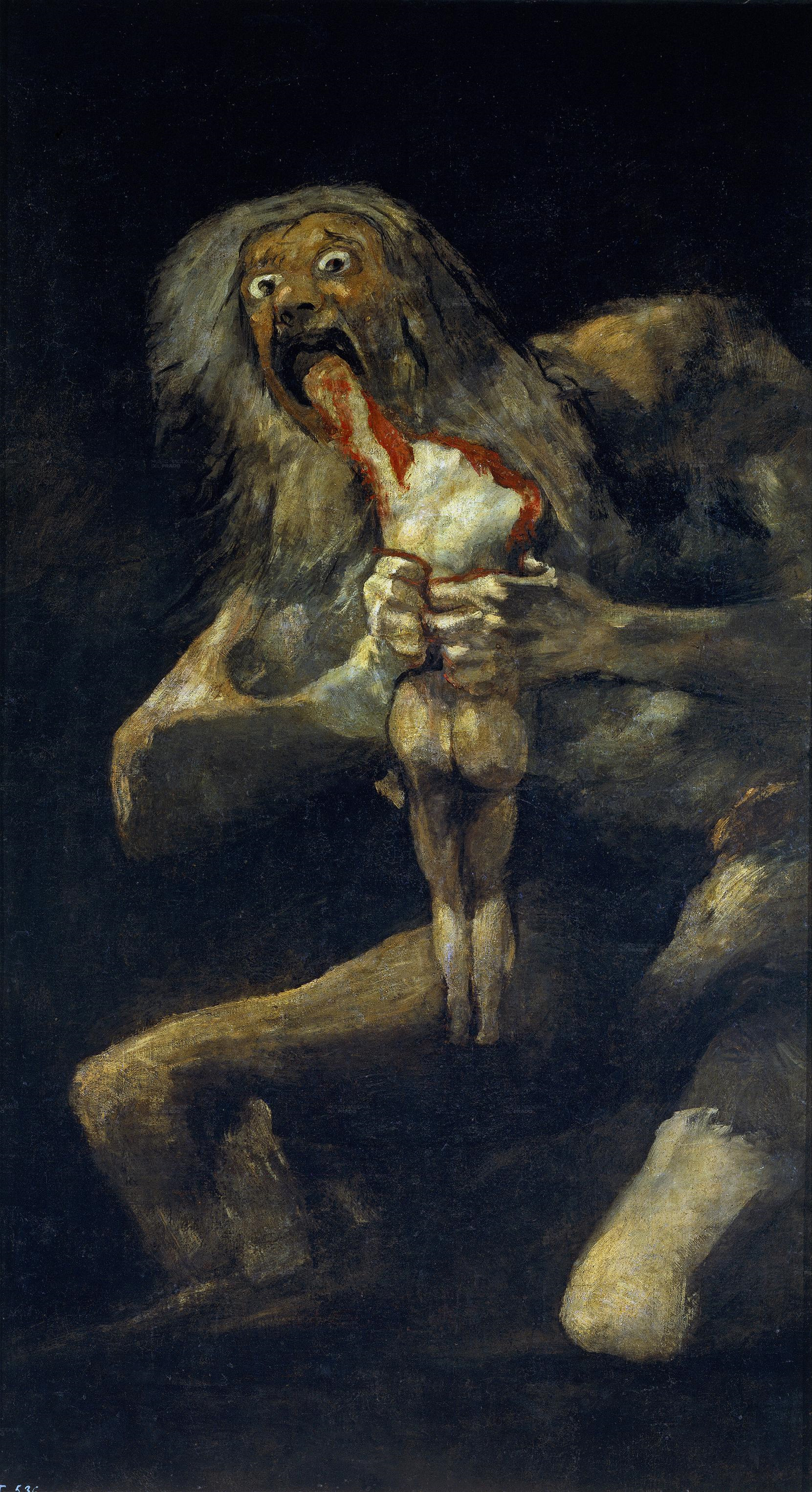
Marcus Aurelius, the most powerful man in the Roman Empire, wrote a note to himself that he read every morning: "You could leave life right now. Let that determine what you do and say and think." That's from his Meditations, Book 2. A man who literally ruled the known world still needed a daily reminder that he was going to die.
You need the same reminder.
The awareness of death is the only thing that makes you honest about how you're spending your days.
The question isn't whether risk is scary. The question is whether you can afford to keep avoiding it when the clock is already running.
I just read smart people because I don't got much going on up here. I'm kooky. But there is a clock ticking away. Tick, tick, tick. And I'm going to make you hear it because I'm going to get inside your mind and take it a little bit. If you're not into that, scroll by now.
Still here? All right.
The Roman Stoics built an entire philosophy around this one idea: memento mori. Remember you will die. Not as morbid wallowing. As a focusing tool. The awareness of death is the only thing that burns away the trivial and shows you what actually matters. Every great philosopher who wrote about how to live started with the fact that you won't do it forever.
Seneca's Diagnosis: How Late It Is to Begin to Live
This isn't just a wizard on the internet saying you're wasting your life. Seneca diagnosed you thousands of years ago. And he knew a thing or two.
"It is not that we have a short time to live, but that we waste a lot of it. Life is long enough, and a sufficiently generous amount has been given to us for the highest achievements if it were all well invested."
Seneca, On the Shortness of Life
Seneca was writing to a man named Paulinus. Rich. Powerful. Had the perfect plan for his life. His father convinced him that status and fame were what mattered. Go make a difference. Wave your sign. Change the world.
And then Paulinus was sick and dying. He lived a long, long life. And he didn't live a moment of it.
"How late it is to begin to live when we have just but ceased to live."
That line hits different when you realize Seneca wrote it to a man who did everything "right." Who followed every safe, responsible, approved path available to him. Who checked every box. And still died with a hollow feeling that he'd missed it all.
He died before he died.
When did you die?
Seneca's diagnosis is simple and brutal. The Stanford Encyclopedia of Philosophy catalogs his philosophical contributions, but the core insight from On the Shortness of Life is just this: you are not short on time. You are hemorrhaging the time you have on things that don't matter to you. Busyness you inherited. Plans someone else wrote. A safe track that felt responsible and turned out to be a slow way to disappear.
The risk of not taking risk isn't abstract. It's Paulinus on his deathbed, rich and miserable, realizing he never once did the thing that was actually his.
Seneca wasn't writing from a place of theory. He watched it happen. He watched brilliant, capable, powerful men fritter away decades on approved paths. And he kept asking the same question: when will you start living for yourself? At 50? At 60? "How stupid," Seneca wrote, "to forget our mortality, and put off sensible plans to our fiftieth and sixtieth years, aiming to begin life from a point at which few have arrived."
That was written around 49 AD. The average human lifespan has doubled since then. The excuse-making hasn't changed at all.
The Six-Month Thought Experiment
You have six months to live.
I know, it's crazy. But I'm a wizard. I can see into the future and I know everything. Yes, I mean you, specifically you, reading this right now.
So what are you going to do?
Yeah, you're not going to get those dreams. You don't have the time. All that thing about money and status and fortune? Not going to happen. Sorry. Nothing they can do. It's in the crystal ball. I looked and that thing is like 33% reliable.
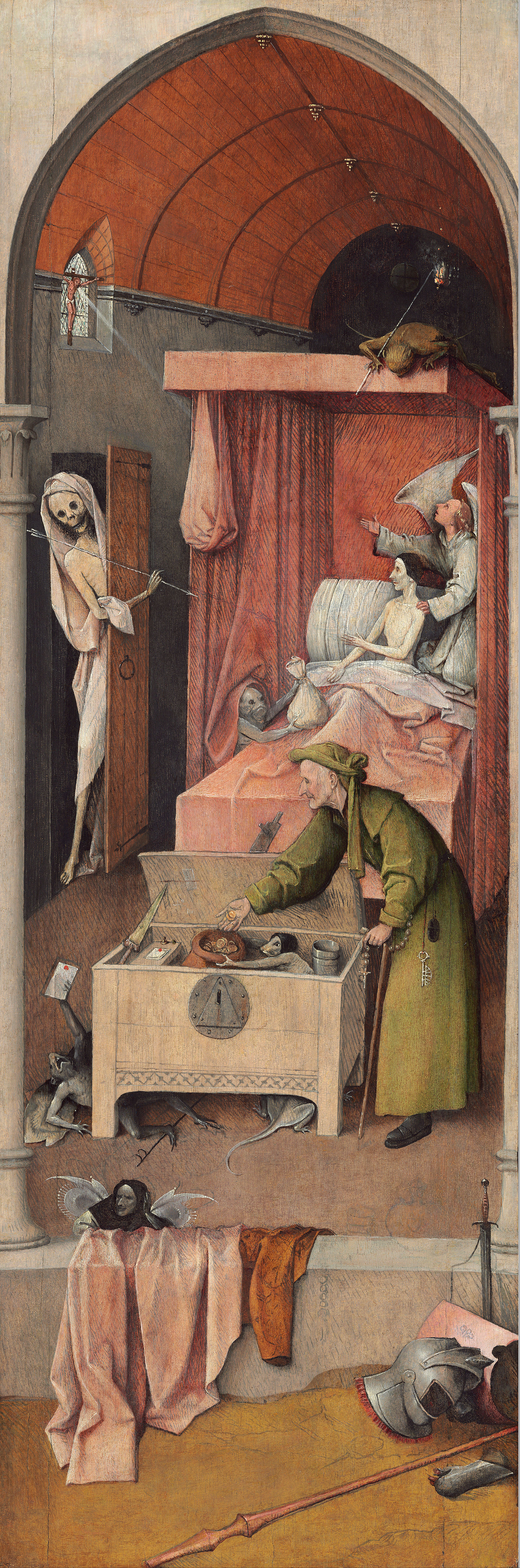
Now, with six months left, are you going to go buy a course? Sign up for another guru? Learn about the same stuff you've probably already heard, just packaged differently?
Or has something else come to mind?
Is there something deep down inside you right now? Welling up? Something you've been pushing down for so long because "that's ridiculous" or "that's selfish" or "that's childish"?
What is it?
Come on. You've got six months. Live a little. Not for anyone else. Not against anyone else. Just for you.
Because you're not making a dent in this universe. 10,000 years is going to go by and we won't even remember the dirt you are buried in. It'll be covered in a new layer by then. That's how little you and I matter in the long view.
So what are you going to do for you?
This thought experiment isn't designed to scare you. It's designed to strip away the noise. When the timeline compresses, the truth comes out. And the truth is almost never "I should have played it safer."
The thought experiment works because it short-circuits your brain's default planning mode. Normally, your brain operates on the assumption of infinite runway. Someday I'll write that book. Someday I'll start that business. Someday I'll have that conversation. Someday functions as a polite way of saying never.
But compress the timeline to six months and "someday" evaporates. What's left? The real stuff. The things that actually matter to you, stripped of all the padding and performance and people-pleasing you've been wrapping around them.
Notice what comes up. Notice what you felt when I asked the question. That feeling is data. That's the signal your body sends when it touches something true.
Now notice how fast your brain tried to talk you out of it. "That's not practical." "I can't do that." "What would people think?" That's the safe-playing machinery, and it's been running your life.
What 87 Years of Harvard Research Says About Regret
Harvard conducted the single longest study on happiness in human history.
87 Years
The Harvard Study of Adult Development has been running since 1938
Source: Harvard Gazette | Study homepage
The Grant Study started in 1938. It tracked 268 Harvard sophomores and, in a parallel study, 456 inner-city Boston youth. Dr. Robert Waldinger now directs it from Massachusetts General Hospital.
They wanted to see what people regretted the most about their lives. The participants were in their 80s. They'd lived full lives. Careers. Families. Wins. Losses. Everything.
And you know what? They didn't regret their failures. They didn't regret taking risk.
The thing they regretted most was not doing the things they wanted to do. The things they didn't start. Because they spent so much time worrying about what other people would think.
"Good relationships keep us healthier and happier. Loneliness kills. It is as powerful as smoking or alcoholism."
Dr. Robert Waldinger, Director, Harvard Study of Adult Development
The workaholics who chose the "safe" path of career over connection were some of the saddest people in the study. Filled with regret in their 80s. They played it safe. They did the responsible thing. They followed the plan. And they ended up lonely and wishing they'd taken the risk of being present for the people and experiences that actually mattered.
Palliative care nurse Bronnie Ware spent years with patients who had less than three months to live. The number one regret, the most common thing dying people said: "I wish I'd had the courage to live a life true to myself, not the life others expected of me."
Not "I wish I'd been more careful." Not "I wish I'd played it safer." The opposite.
They wished they'd taken the risk of being themselves.
If you've been telling yourself that playing it safe is the responsible choice, this is the data telling you it's the choice you'll regret on your deathbed. Not a blog post. Not an opinion. 87 years of Harvard research.
And it's not just the Harvard study. Gilovich and Medvec's regret research at Cornell found the same pattern through a completely different methodology. When people looked back on their lives, the regrets that burned hottest weren't the failed businesses, the bad investments, or the embarrassing moments. Those faded. What lingered, what kept them up at night decades later, were the things they never tried.
The kiss they didn't give. The company they didn't start. The conversation they kept putting off until it was too late. The risks of inaction are invisible in the moment and devastating in retrospect.
You're building your retrospect right now. Every day you play it safe is a day your future self will look back on and wonder what you were so afraid of.
Stop Reading About Risk. Start Taking One.
HypnoChat is a free AI trained on 18 years of research into why people stay stuck. Tell it the thing you can't make yourself do. It won't sell you a course. It will give you a perspective shift.
Try HypnoChat FreeThe Two Sides of Risk You Never Learned
You've been taught that risk has one side. You invest time, money, effort, and you lose it. That's the risk you're afraid of. That's the one that keeps you up at night. That's the one that stops you from sending the email, making the call, starting the project.
But there's a second kind of risk. And nobody taught you about it.
Risk number one: you invest and it doesn't work out. You put the time in, you put the money in, you put the effort in, and you lose it.
Risk number two: the risk of not doing the risk. The cost of what you lose by staying exactly where you are.
Economists have a name for this: opportunity cost. The value of the thing you gave up by choosing the "safe" option. And here's the problem with opportunity cost. It's invisible. You never feel it happening. You never get a bill for it. It doesn't show up on your credit card statement.
You just wake up one day and realize that people who were willing to take some risk are now miles ahead. While you're stuck where you were years ago.
Think about it like a skill. Maybe you watch ten videos to learn something that could make you an extra ten thousand dollars a year in your career. There are dozens of skills like that. And let's say only ten percent of the videos actually deliver.
That means nine of them will be a waste of time. You'll lose hours. But if that tenth one gives you a $10,000-per-year raise for the rest of your working life, the math isn't even close.
The nine "failures" weren't failures. They were the cost of finding the one that worked.
The only actual failure? Never watching any of them.
Once you see this second kind of risk, you can't unsee it. Every time you avoid a decision, you're not avoiding risk. You're choosing the invisible risk over the visible one. You're betting on stagnation instead of growth. And the house always wins that bet eventually.
This is what separates the people in the Harvard study who died happy from the ones who died with regret. Both groups faced risk. One group chose the risk they could see. The other chose the risk they couldn't. The invisible one ate them alive.
The Dog Not Barking: The Risk of Not Taking Risk
There is a cognitive bias so powerful and so invisible that I can explain it to you right now, plain as day, and it will still fade away like a vapor.
Sherlock Holmes called it the dog not barking.
In the famous story, Holmes solves a crime because of what didn't happen. The dog didn't bark. Which meant the intruder was someone the dog knew. Everyone else was looking at what happened. Holmes was looking at what didn't happen.
That's opportunity cost. You can see the risk of action very clearly. It's right there. It's scary. It has a number attached to it. You might lose $500. You might waste three months. You might look stupid.
But the risk of inaction? The dog that doesn't bark? You can't see it. You can't feel it. There's no alarm. No statement. No red notification on your phone. It just silently eats your life from the inside.
2x
Losses feel twice as painful as equivalent gains feel good (loss aversion)
The entire stock market runs on this invisible bias. Every investor who's ever made hundreds of millions of dollars did it because other people couldn't see the dog not barking. They were looking at the risks they could see and ignoring the risks they couldn't.
You're doing the same thing. Right now. With your life.
The cost of that course you didn't take? You can't see it. The relationship you didn't start? Invisible. The business you didn't build? The conversation you didn't have? The version of yourself you didn't become?
Dogs that never barked.
Your Brain Is Wired Against You
If you think your fear of risk is rational, the science has bad news for you.
In 1979, Daniel Kahneman and Amos Tversky published a paper called "Prospect Theory" that changed economics forever. Kahneman won the Nobel Prize for it. The core finding: losses feel roughly twice as painful as equivalent gains feel good.
Losing $100 hurts about twice as much as finding $100 feels good.
This is called loss aversion. And it means your brain is not a neutral calculator of risk. It's a machine built to overweight losses and underweight gains. It will scream at you about the $500 you might lose and whisper about the $50,000 you'll never earn.
A 2020 replication study across 19 countries and 13 languages confirmed this with 90% accuracy. This isn't a Western bias. It's human wiring.
On top of loss aversion, you've got status quo bias. Samuelson and Zeckhauser at Harvard showed in 1988 that people disproportionately stick with the default option even when alternatives are objectively better. The more options you have, the worse this gets. More choices means more fear of choosing wrong, which means more doing nothing.
And here's the cruel twist. Thomas Gilovich and Victoria Medvec at Cornell studied what people actually regret. Their finding:
"Actions generate more regret in the short term; but inactions produce more regret in the long run."
Gilovich & Medvec, Psychological Review (1995)
Read that again. In the short term, you feel worse about things you did that went wrong. But over time, the things you didn't do eat you alive. A cross-cultural replication confirmed this pattern holds across cultures. It's universal.
So your brain makes you afraid of action in the moment. But your future self will torment you for your inaction. You're caught in a trap designed by evolution to keep you playing it safe in a world where playing it safe is the most dangerous thing you can do.
The list of cognitive biases stacking against you:
- Loss aversion: losses feel 2x worse than equivalent gains feel good
- Status quo bias: you default to doing nothing, even when moving is better
- Inaction regret: what you didn't do haunts you more than what you did
- Availability bias: you remember spectacular failures more than quiet successes
- Negativity bias: bad outcomes stick in memory longer and stronger
Every single one of these pushes you toward inaction. Not because inaction is wise. Because your brain evolved in an environment where a wrong move got you eaten. You don't live in that environment anymore. But you're still running the software.
This is why "just be brave" doesn't work. Telling someone with loss aversion, status quo bias, and negativity bias to "just take the risk" is like telling someone with a broken thermostat to "just be the right temperature." The hardware is fighting you. You don't need more willpower. You need to see the problem differently.
And that's what this article is doing. When you can see both sides of risk, when you can see the dog not barking alongside the dog that's barking, the equation shifts. You didn't get braver. You got more accurate. The fear doesn't go away. It just stops being the only voice in the room.
If you've spent years reading about the knowing-doing gap, you've probably noticed that knowing about these biases doesn't automatically fix them. That's because knowledge without a perspective shift is just another bookshelf collecting dust. The shift happens when the invisible risk becomes visible. When the cost of doing nothing becomes as concrete and immediate as the cost of doing something.
Nietzsche Was Right: Most People Rot on the Vine
I'll be honest. I'm not a Nietzsche fan. False philosopher. But hey, broken clock.
"Most people do not ripen in the summer. They rot on the vine."
That's from the man who spent his career writing about what it takes to become who you actually are. And even he could see that most people never get there. They had the talent. The world wasn't against them. They just never took the risk of growing.
Picture two timelines.
Person A plays it safe. Slowly moves forward. Follows the established path. Checks the boxes. Looks stable from the outside. A nice, predictable upward slope.
Person B takes risks. Drops down. Resets. Pays the price. Looks crazy from the outside. An erratic zigzag that seems reckless.
But here's what you don't notice: Person B is learning. Getting better at reading the game. Getting better at taking smarter risks. And at some point down the timeline, Person B explodes upward. Shoots past Person A. Ripens.
And Person A looks over and says: "That guy got lucky."
No. He just took a lot of bets. And yeah, he got lucky. That's basically what risk management is. The data on entrepreneurship confirms this: 49% of people worldwide say fear of failure would stop them from starting a business. Nearly half the population opts out before they start. And research shows entrepreneurs with medium-level risk tolerance survive 40% longer than those with low risk tolerance.
The vine doesn't care about your reasons for not growing. It rots on your schedule either way.
Nietzsche wrote in Thus Spoke Zarathustra: "What is happening to me happens to all fruits that grow ripe. It is the honey in my veins that makes my blood thicker, and my soul quieter." The ripening process changes you. It slows you down in some ways and sharpens you in others. But it requires the sun. It requires exposure. You can't ripen in the dark, hidden safely behind the leaves where nothing can touch you.
The smart person's trap is particularly vicious here. Because you're smart, you can construct an airtight argument for why staying safe is the rational move. You can list every way the risk might fail. You can model the worst case in vivid detail. And all of that analysis feels productive. It feels responsible. It feels like wisdom.
It's not wisdom. It's a sophisticated form of hiding.
The person who takes bad bets and learns from them has something you don't: data from the real world. Experience. Pattern recognition that only comes from doing. Your analysis is running on theory. Their analysis is running on actual outcomes. And over time, their calibration gets sharper while your theory stays perfectly preserved and perfectly useless.
Life Is Poker, Not a Test
You've been taught in school that your life is a test. Did I check the right boxes? Did I get the answers? Did I get my gold star?
It ain't that, brother. It's a game of poker.
Life hands you something and you've got to make the best of what you got. There's an element of luck. There's an element of risk. There's an element of skill. And that's why most people struggle with everything in life. They're playing it like a test when it's actually a game of incomplete information and probability.
They sit there saying "I don't want to take risk, that's dangerous." And they never get the pot.
But what are the chances? Pot odds. You've got to know when your bet is good and when it's bad.
That idiot you're so frustrated with, the one who's your boss now? He was just a guy who was foolish enough to keep betting. He wasn't even making good bets. But at least he was betting at all. He took risk and eventually one of them paid off.
Now imagine how much better you could do. Because you're smart. That's the whole problem. You're so smart you've talked yourself out of every hand.
Epictetus, the Stoic philosopher who was born a slave and became one of the most influential thinkers in history, put it this way: "Make the best use of what is in your power, and take the rest as it naturally happens." That's from the Discourses. A man who had every reason to be paralyzed by circumstances instead focused entirely on what he could control: his choices, his bets, his response to the cards he was dealt.
The test mentality says: don't risk the wrong answer.
The poker mentality says: play enough hands with good enough judgment and the math works out.
Which mentality are you running?
Smart, slow, and inconsistent loses to foolish, fast, and consistent every time. You've been playing it safe, you're responsible, you know taking risk is dumb. You're too smart for that. You know the responsible thing to do is to take small, measured improvements on proven tracks that have been carved out.
And that's why your boss is less intelligent and richer than you.
Because you were taught in school that your life is a test. Did I check the right boxes? Did I get the answers? Did I get my gold star? And the real world doesn't work that way. There is no answer key. There is no grading rubric. There are only bets, odds, and the willingness to stay in the game long enough for the math to work in your favor.
My clients are smart. That's why their results are extraordinary. Not because of me. I just work with really sharp people and get them to use their brain the right way. They spent 20 years studying everything. They know what to do. They just need the perspective shift that turns knowledge into action. And then boom, the results happen because the competence was always there. It was just trapped behind a wall of analysis and fear.
How to Be Lucky (Luck Can Be Controlled)
Luck is probability.
That's it. There are probabilities all around you all of the time occurring. This whole world is a product of probability. And contained within probability is luck.
But here's the thing most people miss. Luck can be controlled.
You can go to places that have more luck. Places with more probabilities, more action, more movement. If you're out in the middle of nowhere, you have fewer chances to act on. Fewer bets you can take. But if you put yourself in a center of activity, a hub, a community, a market, there are more probabilities. More opportunities to bet your time, your effort, your attention.
Which leads to the most important part about luck: taking action.
Most of the time luck doesn't require money. The best bets often do involve some cash, and the ROI can be enormous. But the biggest returns come from a completely different kind of currency.
A meta-analysis of 277 experiments on what psychologists call "mortality salience" found that being reminded of your own death changes how you engage with the world. It shifts your priorities. It makes you care less about comfort and more about meaning. The researchers call it Terror Management Theory. What it really means is this: when you remember you're going to die, the small bets that used to scare you suddenly look like nothing.
Because they are nothing. Compared to the alternative of never placing them at all.
The practical formula is simple. Put yourself where probability is dense. Then act. Repeatedly. With enough judgment to avoid catastrophic bets, but not so much judgment that you never bet at all. The sweet spot, according to the entrepreneurship survival research, is medium risk tolerance. Not reckless. Not paralyzed. In the middle. Taking enough risk to learn, not so much that one loss wipes you out.
Volume matters more than accuracy. The person who takes 100 small bets and wins 10 of them will be further ahead than the person who takes zero bets and wins nothing. This is the mathematical reality that your fear-driven brain doesn't want you to see.
The Status Bet: Free Risk With the Highest Return
The biggest ROI in the world comes from bets of your status.
Just your status. Just looking dumb. Being embarrassed.
Think about that.
If you can just risk embarrassment, you can access some of the highest-return opportunities that exist. Free opportunities that you can take at any time. At the risk of what? Maybe some people around you think badly for a moment?
"Not to live as if you had endless years ahead of you. Death overshadows you. While you're alive and able, be good."
Marcus Aurelius, Meditations, Book 4.17
The things that separate you from being really lucky are two moves:
- Place yourself in environments with high probability. Cities, communities, events, online spaces where things are happening. More bets available.
- Place a large volume of bets. Not one massive all-or-nothing gamble. Lots of small bets. Most won't work. A few will change everything.
And the bets don't even have to be money. They can be your time. Your attention. Your willingness to look foolish for five minutes.
Ask the question nobody else will ask. Send the message you've been drafting and deleting. Publish the thing. Say the truth out loud. These are status bets. They cost nothing but pride. And pride is the cheapest currency you own.
Seneca again, from On the Shortness of Life: "You act like mortals in all that you fear, and like immortals in all that you desire." You're afraid of risks that can't actually kill you while behaving as if you have infinite time to get around to the things that matter.
The math on this is embarrassingly simple. Status risk costs nothing. The downside is temporary embarrassment. The upside is potentially life-changing connection, opportunity, or momentum. That's asymmetric risk in your favor. And you're leaving it on the table every single day because your brain runs software designed for the savanna, not the internet.
You're a Soul in a Body That Thinks It's a Body
There's a deeper reason you keep living like you're going to live forever.
You're a soul in a body that thinks it's a body. Because a bunch of flashing screens told you you're just a body.
The modern worldview, the one you absorbed without choosing it, treats you as a biological machine. Neurons firing. Chemistry bubbling. Stimulus, response. In that frame, mortality is the end of everything. Losing becomes existential. If this is all there is, then every failure is a subtraction from a finite and rapidly shrinking account.
No wonder you're afraid to take risks.
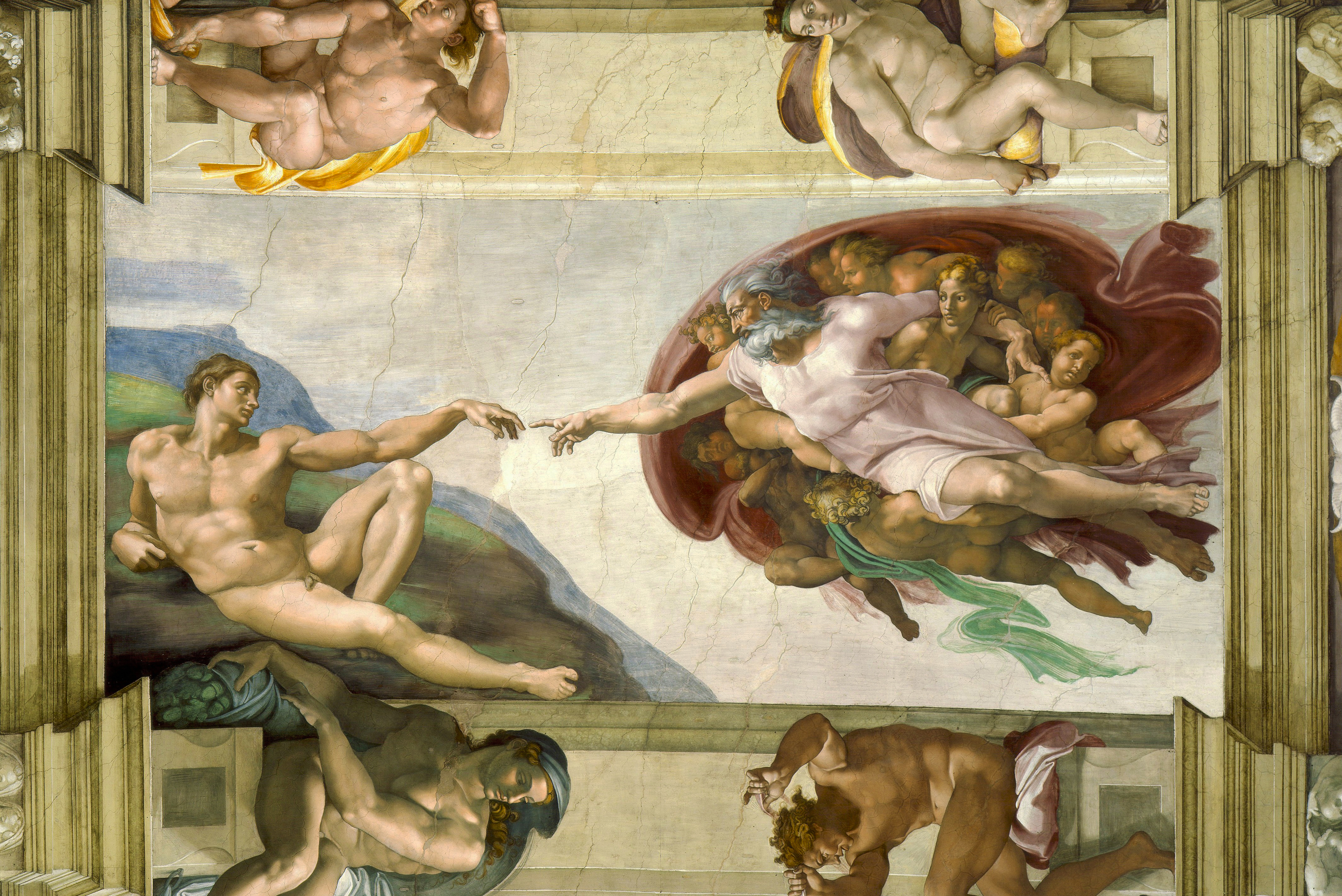
But the soul is still in there. And it's immortal. And it's the part of you that knows, deep down, that playing it safe is a betrayal of something real. The discomfort you feel when you scroll past another year without doing the thing you actually want to do? That's not anxiety. That's your soul objecting to your body's cowardice.
The materialist worldview, the idea that you are only your body and nothing more, is what philosophers call disenchantment. It's the stripping away of meaning, purpose, and depth from human experience. When the world is disenchanted, risk becomes terrifying because loss is permanent. But in an enchanted world, a world where the soul is real and growth carries beyond the body, risk becomes the point. Growth requires risk. The soul grows through the choices the body is afraid to make.
Tyler presented research on this at Oxford University's Autonomous Learning World Caucus in 2010. The idea that imagination and inner experience are not decorations on reality but foundational to it. That the inner world, what psychologists call the paracosm (a term for a detailed, structured inner world), is where real change happens before it shows up in the external world.
You've been told your inner world doesn't matter. That only measurable, external results count. But Paulinus had all the external results Seneca could catalog. And he died empty.
The risk of not taking risk isn't just a practical problem. It's a spiritual one. You're trading your soul's growth for your body's comfort.
What Are You Going to Do?
Coming back to the question.
You're not going to die in six months. I checked my crystal ball and it turns out it wasn't very accurate.
But you do need to realize you're not going to live forever. You're going to die. You keep living like you're immortal because you're an immortal soul, and your soul is doing that to you. But while you're here, this is temporary.
That's why you're living your whole life wrong. You've just got to make that shift.
You can now see the dog not barking. You can see the risk of not taking risk. You now have inside your mind, whether you like it or not, for the rest of your life, a probabilistic view of the world.
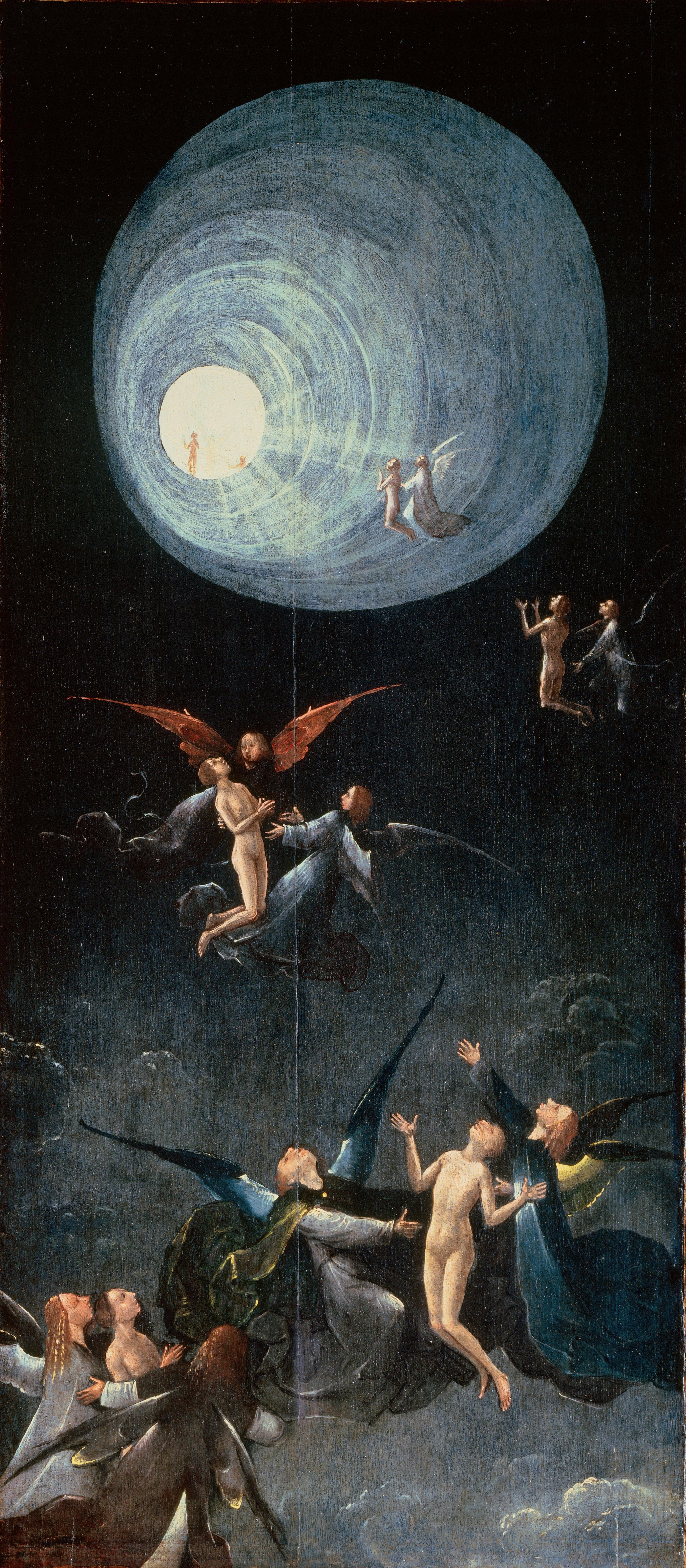
Boethius, writing from his death row cell in the 6th century, put it cleanly: "He who has calmly reconciled his life to fate, and set proud death beneath his feet, can look fortune in the face, unbending both to good and bad." That's from The Consolation of Philosophy. A man literally awaiting execution wrote the manual on how to face risk with your eyes open.
So tonight, when you lay down, instead of thinking about what your life's going to be like in five years, I want you to consider what would be actually living your life that you could do in the next three months.
Three months is enough time. That's enough to gather up a sizeable amount of cash. You could get 500 to a thousand bucks put together, set it aside off the top of your paychecks, and you could do something real. Something big. Something that's actually yours.
Whatever it is, just make sure that it's you who's doing it. And not something someone else sold you.
Because that rich man who was talking to Seneca? He died with his perfect plan for his life, followed to a tee. He was the head of everything. And he died not living a moment. Which means you can be greater than the kings if you can just let that feeling you already felt grow and turn into action.
And you can be like the people in that 87-year study who had the highest amounts of happiness. The ones who didn't sit around coming up with plans and excuses and reasons and diagnoses for why they couldn't do it. The ones who said screw the safe, screw the normal, screw the routine. I'm going to be me.
And they did it.
So what's your move going to be? Are you going to keep playing it safe? Or are you going to take that risk?
If you're stuck at the knowing-doing gap, if you know what you should do but can't make yourself do it, there's a reason for that. And it's probably not what every major framework has been telling you. The problem isn't knowledge. The problem is perspective. One shift in how you see the thing, and the doing follows on its own.
Talk to HypnoChat. It's Free.
Tell it the thing you can't make yourself do. No course. No guru. No credit card. Just a conversation with an AI trained on 18 years of research into why smart people stay stuck.
Try HypnoChat FreeFree. No credit card. No sales pitch. Just a reframe.
FAQ: Risk, Regret, and Playing It Safe
What is the risk of not taking risks?
The risk of not taking risks is opportunity cost: the invisible loss of growth, income, relationships, and experiences that you never had because you chose the "safe" option. Research from Cornell University shows that people universally regret their inactions more than their actions over the long term. The safe path feels comfortable in the moment, but it compounds into a life of "what if" that no amount of stability can fix.
Why is playing it safe actually dangerous?
Playing it safe is dangerous because it creates the illusion of security while silently eliminating your chances for growth. Status quo bias makes the default option feel comfortable even when alternatives are objectively better. Over years, the accumulated opportunity cost of avoided risks far exceeds the cost of the occasional failure. The Harvard Study of Adult Development found that people who prioritized safety over authentic living were among the most regret-filled in their 80s.
What is opportunity cost in personal development?
Opportunity cost in personal development is the growth, skills, confidence, and experiences you lose by choosing to stay where you are instead of taking a calculated risk. Every time you avoid starting the project, having the conversation, or making the change, the "cost" is the version of yourself you would have become. Unlike financial opportunity cost, personal development opportunity cost compounds invisibly because you never see the person you didn't become.
How does fear of failure hold you back?
Fear of failure activates loss aversion, a cognitive bias where potential losses feel roughly twice as painful as equivalent gains feel good. This means your brain dramatically overestimates the downside of action while underestimating the downside of inaction. Research shows that 49% of people globally say fear of failure alone would prevent them from starting a business, regardless of the potential upside.
What did the Harvard happiness study find about regret?
The Harvard Study of Adult Development, running since 1938, found that participants in their 80s most regretted not spending enough time with the people they cared about and not living authentically. Workaholics who followed the "safe" career path were some of the saddest and most regret-filled participants. The study's central finding is that warm relationships, not financial security or career achievement, are the strongest predictor of lifelong happiness.
Why do people regret inaction more than action?
According to Gilovich and Medvec's research, actions generate more regret in the short term because the negative outcomes are vivid and recent. But inactions generate more regret in the long term because psychological processes decrease the pain of regrettable actions over time (you rationalize, learn, and move on) while increasing the pain of regrettable inactions (you fantasize about what could have been). This pattern has been validated across cultures.
How do you overcome the fear of taking risks?
You don't "overcome" fear. You reframe risk. Once you can see both sides of risk, the risk of action AND the risk of inaction, the equation changes. Start with status bets (risks that cost nothing but pride), place yourself in high-probability environments, and take a high volume of small bets rather than one large gamble. The goal isn't to eliminate fear but to make the cost of inaction more visible than the cost of action. When you can hear the clock ticking, the small risks stop looking so big.
What is status quo bias and how does it affect decisions?
Status quo bias, demonstrated by Samuelson and Zeckhauser in 1988, is the tendency to stick with your current situation even when better alternatives exist. The more options available, the stronger the bias becomes, because choosing wrong feels worse than not choosing at all. It affects everything from career decisions to health plan enrollment to personal development. Awareness of the bias is the first step. The second is recognizing that "doing nothing" is also a choice, and it has costs.